
How Is Cotton Picked Today? Inside Modern Cotton Harvesting
Aug 24th 2026
How Is Cotton Picked Today? Inside Modern Cotton Harvesting
There’s something remarkable about a soft cotton sweatshirt: before it ever reaches your closet, the fiber has already passed through a carefully timed journey from plant to field machine to cotton gin.
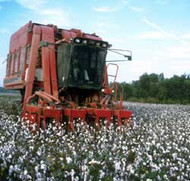
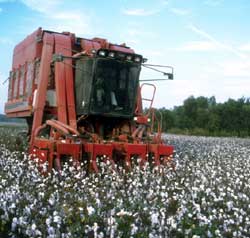
So, how is cotton picked today? In the United States and other highly mechanized cotton-growing regions, cotton is harvested mainly with large machines. The two primary methods are spindle cotton picking and cotton stripping.
Hand-picking still exists, especially in regions with smaller farms, limited mechanization, or specialty cotton production. But the days of harvesting large American cotton fields entirely by hand are long gone.
That shift matters, not only for farming efficiency, but also for the cleanliness, strength, and consistency of the cotton fiber used in everyday clothing.
The short answer: how is cotton harvested today?
Cotton is harvested when enough bolls have opened and the fluffy white lint is exposed. Farmers typically use one of two machines:
- Mechanical cotton pickers use revolving spindles to pull cotton from open bolls while leaving most of the plant in the field.
- Cotton strippers remove open and unopened bolls, along with more leaves, stems, and plant material.
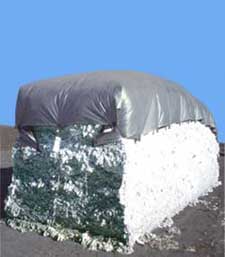
After cotton picking or stripping, the harvested material, called seed cotton because it still contains both fiber and seed, is compressed into large modules. The modules are transported to a cotton gin, where the lint is cleaned, separated from the seed, and pressed into bales.
That is the modern cotton harvesting process in a nutshell. The details are where it gets interesting.
From hand-picking to mechanical cotton harvesting
Cotton was historically picked by hand in many parts of the world. Workers moved through fields and pulled mature cotton from individual bolls, often returning several times as more bolls opened.
This work was physically demanding and tied to painful histories of forced labor, exploitation, and racial injustice. It is important to discuss the transition to mechanized cotton harvesting factually, without romanticizing the conditions surrounding earlier systems.
Mechanical harvesting developed gradually. As machines became more practical and widely available, growers could harvest large fields faster and reduce their dependence on manual field labor. Today, cotton production in the United States is overwhelmingly mechanized.
Hand-picking has not disappeared globally, though. It remains common in places where farms are smaller, equipment is expensive or unavailable, or local growing conditions make machines less practical.
How does a mechanical cotton picker work?
A mechanical cotton picker is designed to remove mature cotton from open bolls without taking the entire plant.
As the picker moves along the rows, revolving spindle assemblies enter the cotton plants. The spindles catch and entwine the exposed cotton fibers, pulling the lint and seed from the open boll.
The cotton is then removed from the spindles by rotating doffers. Air moves the harvested seed cotton through the machine and into a collection basket or onboard storage system.
The basic sequence looks like this:
- The machine travels down rows of cotton plants.
- Revolving spindles enter the plants.
- Spindles pull cotton from open bolls.
- Doffers remove the cotton from the spindles.
- Air systems carry seed cotton into the machine’s storage area.
- The cotton is compacted into a module for transport.
A key advantage is selectivity. The picker mainly removes cotton that is ready, while unopened bolls and much of the plant remain behind. This generally means the harvested cotton contains less plant material than cotton collected by a stripper.
Many modern cotton pickers can harvest several rows at once, often six, making them dramatically faster than hand harvesting.
What is a cotton stripper?
A cotton stripper is another type of mechanical cotton harvester. Instead of selectively pulling lint from open bolls, it removes a larger portion of the plant’s cotton crop in one pass.
Stripper harvesters use rotating brushes, rollers, bats, or similar mechanisms to strip bolls from the plant. Along with cotton, the machine may collect leaves, stems, burrs, and other field debris.
This creates an important trade-off:
- Cotton pickers are more selective and usually collect cleaner seed cotton.
- Cotton strippers harvest more aggressively and often require additional cleaning at the gin.
Cotton strippers are used particularly in areas such as parts of Texas and Oklahoma, where growing seasons can be shorter or weather conditions can make it important to harvest quickly. If a grower cannot wait for every boll to open fully, stripping may be the more practical option.
The plant left behind after stripping can look much barer than a field harvested with a spindle picker. Different machines, different conditions, same goal: getting the crop out of the field before weather damages its quality.
Do they still pick cotton by hand?
Yes, cotton is still picked by hand in some parts of the world.
Manual harvesting is more likely when:
- Farms are small or spread across difficult terrain
- Mechanical equipment is unavailable or too expensive
- Labor is more accessible than specialized harvesting machinery
- The crop requires selective harvesting
- A specialty or premium cotton variety is being produced
Hand-picking can be gentler and more selective. A worker can choose open, mature bolls and leave behind immature ones or visible debris. That may help preserve cleanliness in certain situations.
However, hand-picking is not automatically better in every respect. It is slower, physically demanding, and dependent on working conditions and harvesting practices. Even specialty cotton, including some extra-long-staple varieties such as Pima, may be machine harvested depending on where and how it is grown.
The answer to “do they still pick cotton by hand?” is therefore yes, but the scale, region, cotton variety, and available technology all make a difference.
When does cotton harvesting happen?
Cotton harvesting does not happen on one universal date. The timing depends on planting dates, temperature, rainfall, the variety grown, and the region.
In the United States, harvest can begin as early as July in southern Texas. In more northern areas of the Cotton Belt, harvesting may begin around October.
A simplified harvest timeline looks like this:
1. Bolls open
The cotton boll dries and splits open, exposing the fluffy lint inside. Farmers watch the crop carefully because open cotton can be damaged by rain, wind, and other weather.
2. The field dries
Harvesting equipment works best when plants and cotton are sufficiently dry. Wet cotton can be harder to collect, store, and process.
3. Defoliation may occur
In many mechanized operations, leaves are removed or encouraged to drop before harvesting. This helps machines collect cotton more efficiently and reduces unwanted plant material.
4. Machines enter the field
Depending on the region and crop condition, the grower uses a spindle picker, cotton stripper, or another suitable harvesting setup.
5. Seed cotton is compacted
The harvested cotton is formed into a dense module for temporary storage and transport to the gin.
Timing is a balancing act. Harvest too early and some cotton may be immature. Wait too long and storms can reduce both yield and fiber quality.
What happens after cotton picking?
Picking cotton is only the beginning of the post-harvest process.
Module building and storage
Once the harvester’s basket is full, the seed cotton must be compressed. Some operations use a separate module builder, while newer harvesters can form modules onboard.
A module is a dense unit of seed cotton designed for temporary storage and efficient transport. Large modules may weigh thousands of pounds and can be stored at the edge of a field or at the gin yard.
Cleaning at the cotton gin
The cotton gin breaks apart the module and feeds the seed cotton into a series of cleaning machines. These remove leaves, stems, burrs, dirt, and other foreign material.
Cotton harvested by a stripper typically requires more intensive cleaning because the machine collects more of the plant along with the bolls.
Separating lint from seed
Inside the gin, specialized equipment separates the cotton lint from the cottonseed. The lint is the soft fiber that eventually becomes yarn and fabric.
The seed has its own uses, including cottonseed oil and animal feed products.
Baling
Finally, the cleaned lint is compressed into standardized bales. These bales are stored, graded, transported, and eventually sent into textile manufacturing, where the fiber becomes yarn, fabric, and garments.
From there, the cotton may be ring spun, knitted into fleece, dyed, cut, sewn, and finished into something as familiar as a crewneck sweatshirt.
Why cotton harvesting affects the clothes you wear

Harvesting is one part of a much longer quality chain. The way cotton is grown and collected can influence how much cleaning it needs, how the fiber is handled, and how consistently it performs during spinning and fabric production.
At Just Sweatshirts, that focus continues through the garment itself. Our Classic Heavyweight Crewneck collection is built around premium 100% cotton, heavyweight construction, ring-spun cotton, and a pre-shrunk fit designed for reliable everyday wear.
The Privé Collection brings the same natural-fiber focus to relaxed, polished layers, including cotton crewnecks and hoodies.
For care, remember that cotton garments can experience 3–5% shrinkage. Machine wash 100% cotton garments in cold water, maximum 40°C / 105°F, with like colors. Use no bleach, then tumble dry on low or air-dry to minimize shrinkage. Wash sand-colored garments separately, especially during the first wash, to help prevent dye transfer.
Because the better you understand the journey from cotton plant to finished garment, the easier it is to recognize clothing made with real attention to comfort, fiber quality, and longevity.
Frequently asked questions about cotton picking and harvesting
Are all Just Sweatshirts products 100% cotton?
Our core apparel is focused on 100% cotton construction, but composition can vary by individual item. The “Two Tone Speckled Look” in Grey Mix items contain 5% polyester. Always review the composition details on the specific product page before ordering.
How is cotton picked today?
Most cotton in the United States is harvested mechanically. Growers primarily use spindle cotton pickers, which pull fiber from open bolls, or cotton strippers, which remove bolls and more plant material in a single pass.
Do they still pick cotton by hand?
Yes. Hand-picking still occurs in some regions, especially where farms are small, mechanical equipment is limited, or selective harvesting is preferred. Some specialty cotton may also be hand-picked, although many premium cotton crops are mechanically harvested.
What is the difference between a cotton picker and a cotton stripper?
A mechanical cotton picker uses revolving spindles to remove cotton from open bolls while leaving most of the plant intact. A cotton stripper removes a larger portion of the plant, including open and unopened bolls, leaves, and stems. Stripper-harvested cotton generally requires more cleaning at the gin.
When is cotton harvested?
The harvest season depends on the region, weather, planting date, and cotton variety. In the United States, harvesting may begin in July in southern Texas and around October in more northern parts of the Cotton Belt.
What happens to cotton after it is picked?
Seed cotton is compacted into modules and transported to a cotton gin. The gin cleans the cotton, separates lint from seed, and presses the cleaned lint into bales for textile production.
How should I wash a 100% cotton sweatshirt?
Machine wash it in cold water, up to 40°C / 105°F, with like colors. Use no bleach and tumble dry on low or air-dry to minimize the expected 3–5% shrinkage. Wash sand-colored garments separately, especially for the first wash.
Sources and further reading
- National Cotton Council: Harvesting and Seed Cotton Storage
- CottonWorks: Cotton fiber harvesting and ginning
- Cotton Incorporated: Cotton Harvesting Systems and Cottonseed Storage
- Just Sweatshirts: How to keep heavyweight cotton clothing soft
BigCommerce Copy-Paste Checklist
- Blog Post Title: How Is Cotton Picked Today? Inside Modern Cotton Harvesting
- Blog Post URL:
/blog/how-is-cotton-picked-today/ - SEO Title: How Is Cotton Picked Today? Modern Cotton Harvesting
- Meta Description: Learn how cotton is harvested today, including spindle cotton pickers, cotton strippers, hand-picking, module building, ginning, and baling.
- Suggested Category: Cotton Education
- Primary Keyword: how is cotton picked today
- Secondary Keywords: do they still pick cotton by hand, cotton picking, cotton harvesting, how is cotton harvested, mechanical cotton picker, cotton stripper
- Summary / Thumbnail Image: Paste the hero image URL below for the blog index and social shares:
https://www.cotton.org/pubs/cottoncounts/fieldtofabric/images/redpicker.jpg - Hero Image Alt Text: A modern cotton picker harvesting open cotton bolls in an American cotton field
- Internal Links Included:
https://justsweatshirts.com/classic-heavyweight-crewneck-sweatshirts.htmlhttps://justsweatshirts.com/collections/prive/https://justsweatshirts.com/Keeping-Your-Heavyweight-Cotton-Hoodie-Soft-Expert-Tips_b_71.html
- External Sources Included:
https://www.cotton.org/pubs/cottoncounts/fieldtofabric/harvest.cfmhttps://cottonworks.com/en/topics/sourcing-manufacturing/fiber-science/cotton-fiber-harvesting-and-ginning/https://www.cottonmill.com/how-is-cotton-picked-today/
- Image Format Check: Use JPG/JPEG images only. Confirm all images are blank and unbranded where garments appear.
- FAQ Schema: Add the FAQPage JSON-LD from the end of this post through BigCommerce Script Manager, conditionally restricted to
/faq/if used for the website FAQ page. - ?️ Tags: 100% cotton, crewneck sweatshirt, all cotton hoodies, Pre-Shrunk Fit, No-Pilling Guarantee, North American Made, Ring Spun Cotton