
The Life Cycle of a Cotton Plant: From Seed to 100% Cotton Sweatshirt
Sep 2nd 2026

Thereâs something satisfying about pulling on a soft sweatshirt when the air turns cool. But how does cotton go from a seed in a field to fabric you wear? The short answer: a cotton plant is planted, grows leaves and flower buds, blooms, develops cotton-filled bolls, and opens its bolls for harvest. After harvest, the fiber is separated from the seeds, spun into yarn, and made into fabric. Thatâs the life cycle of a cotton plant in one breath.
If youâre choosing a cotton layer for everyday comfort, explore our Classic Crewneck and 100% cotton collection or browse our heavyweight cotton hoodies.
## What are the stages in the life cycle of a cotton plant?
The cotton plant life cycle has six main growing stages:
- Planting and germination: A seed takes root and sends up a seedling.
- Vegetative growth: Roots, stems, and leaves develop.
- Squaring: Small flower buds, called squares, appear.
- Flowering: Flowers open and are pollinated.
- Boll development: A seed-filled pod, or boll, grows around the developing cotton fibers.
- Boll opening and harvest: Mature bolls split open, revealing fluffy cotton ready to be collected.
The time each stage takes depends on the variety, weather, and growing conditions. Hereâs what happens along the way.
## 1. Planting: the cotton life cycle begins
Cotton is a warm-season crop. Farmers plant seeds when soil and weather are warm enough for them to sprout and grow. The seed absorbs moisture, then sends down a root and pushes a small shoot toward the surface.
The first leaves are seed leaves, also called cotyledons. Soon, true leaves appear and help the young plant capture sunlight. Early growth matters: the plant needs healthy roots and leaves before it can support flowers and bolls later in the season.

## 2. Vegetative growth: roots, stems, and leaves
As the seedling grows, it develops a stronger root system, adds leaves, and builds its main stem. Those roots help it take up water and nutrients. The leaves gather sunlight that fuels the next stages.
Farmers watch the plants and field conditions throughout this period. Cottonâs schedule isnât identical everywhere; temperature, rainfall, soil, and planting date can all affect how quickly plants develop. The University of Missouri Extension describes how growers track cotton growth by observing plant structures, including leaves, buds, and blooms.
A cotton field may look like a lot of greenery at this point. The next visible change is the arrival of flower buds.
## 3. Squaring: the first flower buds appear
Cotton flower buds are called squares. Each one is tucked inside small green bracts. A square grows before it opens into a flower, so itâs an early sign that the plant is shifting from leafy growth toward reproduction.
Not every square becomes a mature boll. Some may fall off if the plant is under stress, which is one reason growing conditions can shape the final harvest. A healthy plant needs to balance growth with the energy required to bring its bolls to maturity.
## 4. Flowering: a short-lived bloom
Cotton flowers open, are pollinated, and then begin to change. The petals often turn pinkish or reddish before drying and falling away. If pollination is successful, a small boll starts to develop where the flower was.
Itâs a brief but important transition. The flower itself is not the cotton you see in a finished garment. That familiar white fiber develops inside the boll after flowering.
## 5. Boll development: the cotton fibers grow
A cotton boll is a protective pod that contains seeds wrapped in fibers. After flowering, it grows and matures over several weeks. Inside, fibers develop on the surface of the seeds, lengthening and thickening as the boll ripens.
That fiber is what will eventually be cleaned, spun into yarn, and knitted or woven into fabric. Fiber length and strength vary, and those qualities matter in the finished cloth. Still, to be fair, the plant is only one part of the story: how the fiber is processed, spun, and constructed also affects how a garment feels and wears.
For example, our Classic styles are listed as Fabric: 100% Cotton, 420 GSM. That heavyweight construction gives the finished sweatshirt a substantial feel, while cotton keeps the fabric rooted in a natural fiber. Take a look at the Classic Crewneck collection for an everyday cotton layer, or compare cotton sweatpants in the same heavyweight cotton.
## 6. Boll opening: the cotton is ready for harvest
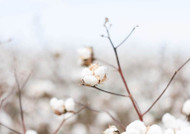
When a boll is mature and dry, it splits open. Fluffy locks of cotton emerge, ready to be harvested. The open boll is the part most people picture when they think of a cotton field: white fiber against the plantâs leaves and dried stems.

## How is cotton picked today?
In the United States, cotton is harvested mainly by machine, using one of two methods:
- Spindle picking: Rotating spindles pull cotton from open bolls while leaving much of the plant and unopened bolls behind. This method selectively gathers the cotton.
- Mechanical stripping: A harvester removes open and unopened bolls along with some leaves, stems, and other plant material. Itâs commonly used in drier growing regions.
Before harvest, growers may prepare plants by removing leaves or drying down plant material. This helps harvesting equipment reach the cotton and can keep unwanted field material out of the harvest. The specific approach depends on the crop and conditions.
The harvested crop is called seed cotton because it still includes seeds along with the lint. As described in the U.S. Environmental Protection Agencyâs overview of cotton harvesting, harvesting is followed by processing at a gin.
## From the field to fabric
A cotton gin separates the usable lint from the seeds and much of the remaining plant material. The cleaned lint is pressed into bales, then continues through steps such as spinning and fabric production before it becomes clothing.
Thatâs a lot of careful work between a seed and the sweatshirt on your back. We donât claim that a specific cotton boll can be traced to a specific garment. But we do believe material choice and construction matter. Our apparel is North American Made, crafted in Canada, with everyday comfort and durability in mind. Shop the heavyweight pullover hoodie or browse cotton sweatpants for more cotton staples.

## How to care for cotton after harvest
Cottonâs journey doesnât end when the fabric is made. Everyday care helps your garment stay comfortable and keep its shape. Cotton has 2-3% shrinkage, so machine wash 100% cotton garments in cold water, maximum 40°C / 105°F, with like colors. Use no bleach, and tumble dry on low or air-dry to minimize shrinkage.
Pre-shrunk construction can help provide a more consistent fit, but it doesnât replace sensible laundry care. Our focus is on substantial cotton fabric, durable construction, and a no-pilling guarantee. Details that matter when a sweatshirt becomes part of your regular rotation.
For customers in Canada, the 100% cotton clothing collection for Canada brings together available cotton styles.
## Frequently asked questions
What are the stages in the life cycle of a cotton plant?
Six main growing stages: planting and germination, vegetative growth, squaring (flower buds), flowering, boll development, and boll opening for harvest. After harvest, the fiber is ginned, spun into yarn, and made into fabric.
How is cotton picked today?
In the United States, cotton is harvested mainly by machine, either spindle picking or mechanical stripping. The harvested crop is called seed cotton and goes to a gin to separate lint from seed.
How long does the cotton plant life cycle take?
It depends on variety, weather, and growing conditions, but a full season of planting through open bolls typically plays out across one growing season, with each stage following the last in sequence.
What happens to cotton after it is harvested?
Seed cotton goes to a cotton gin, which separates usable lint from seeds and plant material. The lint is pressed into bales, then spun into yarn and made into fabric for clothing.
How should I care for 100% cotton sweatshirts?
Allow for 2-3% shrinkage. Machine wash in cold water up to 40°C / 105°F with like colors, no bleach, and tumble dry on low or air-dry to minimize shrinkage. Wash sand-colored garments separately, especially the first wash.
## A cotton plantâs journey, in brief
The life cycle of cotton starts with a seed and moves through growth, flowering, boll development, and harvest. Modern U.S. growers typically use mechanical picking or stripping, then send harvested seed cotton to a gin to separate lint from seed.
And when you reach for a cotton sweatshirt, youâre wearing the result of that long process, plus the choices made in spinning, fabric construction, and garment making. A little plant science, a lot of skilled work, and one comfortable layer you can reach for again tomorrow.
For more on where our garments are actually made, read North American Made Clothing: Why We Make Every Sweatshirt in North America.