
A Brief History of Cotton in America: From the Cotton Gin to 100% Cotton Today
Aug 21st 2026
A Brief History of Cotton in America: From the Cotton Gin to 100% Cotton Today
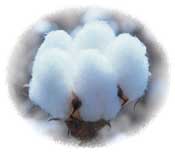
There’s something easy to forget about the cotton sweatshirt in your closet: it began as a plant.
Before it became soft fabric, a cotton fiber grew inside a boll under the sun. It was harvested, cleaned, spun, knitted, sewn, washed, and finished. That simple journey connects modern everyday clothing to centuries of farming, invention, industry, migration, and change.
So, what is the history of cotton in America? It is a story of remarkable agricultural and manufacturing advances: but also a painful history shaped by slavery and exploitation. Understanding both sides matters.
Cotton’s early roots in America
Cotton is an ancient fiber. Archaeological evidence suggests people in parts of Mexico were using cotton thousands of years ago. Cotton was also being grown, spun, and woven in the Indus River Valley and Egypt long before it became an important American crop.
In what is now the United States, cotton cultivation developed gradually. Cotton seeds were reportedly planted in Florida in 1556 and Virginia in 1607. By 1616, colonists were growing cotton along Virginia’s James River.
At first, cotton remained a relatively small-scale crop. The main problem was practical: separating soft cotton fibers from the seeds inside each boll took a huge amount of time. Much of the work had to be done by hand.
That bottleneck would soon change the course of American history.
The cotton gin invention and why it mattered
The cotton gin was patented by Eli Whitney in 1793. The word “gin” is short for “engine,” and the machine was designed to remove seeds from cotton fibers much faster than manual labor could.
Here’s the simple answer to how the cotton gin changed over time: early cotton gins used basic mechanical parts such as rotating drums, wire teeth, and brushes. Modern ginning systems use much more advanced machinery to clean, dry, separate, grade, and bale cotton efficiently.
Whitney’s original invention was especially useful for short-staple cotton, which grew widely across the American South. According to the National Cotton Council’s history of cotton, the gin could perform the seed-removal work about ten times faster than doing it by hand.
That was a turning point.
The cotton gin made it commercially practical to grow and process much larger quantities of cotton. Within a decade, the value of the U.S. cotton crop increased dramatically. Cotton became a major export and helped fuel textile manufacturing in both the United States and Britain.
But the machine did not make cotton production more humane.

Cotton, the American South, and slavery
Cotton became the dominant cash crop across much of the American South during the 19th century. The region’s warm climate and long growing season were well suited to cotton cultivation, and production expanded westward into new territories.
This expansion was built on the forced labor of enslaved African Americans.
Enslaved people planted, weeded, maintained, and hand-picked cotton under brutal conditions. The cotton gin made seed removal faster, but it did not eliminate the need for field labor. In fact, by making cotton more profitable, the invention helped strengthen the plantation economy and the system of slavery.
This is a central fact in the history of cotton in America. It should not be softened or treated as a footnote.
The growth of “King Cotton” enriched plantation owners, merchants, manufacturers, and investors while enslaved families endured violence, forced labor, separation, and the denial of basic rights. The cotton economy also influenced American politics and helped intensify conflicts that eventually contributed to the Civil War.
The Library of Congress guide to cotton history provides a useful starting point for researching cotton’s economic, industrial, and social impact. Its related resources on slavery and the plantation system offer further historical context.
After emancipation, the labor system changed, but exploitation did not disappear. Sharecropping, tenant farming, debt, and discriminatory laws kept many Black agricultural workers trapped in poverty for generations.
Cotton’s history is not only a story of invention. It is also a story of who benefited, who performed the work, and who paid the price.
From hand-picking to mechanical harvesting
For more than a century, cotton in the United States was picked by hand.
When cotton bolls opened, workers moved through the fields and pulled the fluffy fibers from the plants. The work was repetitive, physically demanding, and often painful. Dry cotton plants can scratch skin, and workers had to return to fields repeatedly as more bolls opened.
So, do they still pick cotton by hand?
In modern U.S. commercial agriculture, almost all cotton is harvested mechanically. Hand-picking may still occur in small plots, research settings, or specialty situations, but it is no longer the normal method for large-scale American cotton production.
Mechanical harvesting began to expand significantly during the 20th century. By the 1940s and 1950s, improved cotton pickers and strippers could harvest far more cotton with fewer workers. Mechanization increased efficiency, but it also had major social consequences. Many agricultural laborers lost their work and moved to cities, contributing to broader migration and economic change across the South.

How is cotton picked today?
Modern cotton harvesting generally uses one of two types of machines:
- Cotton pickers pull cotton fibers from open bolls using rotating spindles. They are commonly used where cotton plants are tall and conditions support this harvesting method.
- Cotton strippers remove open cotton bolls, along with more of the plant material. They are often used in drier regions or where plants are shorter.
The harvested material is called seed cotton because it contains both cotton lint and seeds. After harvesting, it travels to a cotton gin.
At the gin, the cotton is cleaned and separated. The usable lint is compressed into bales for textile production, while cottonseed can be used in products such as animal feed and cottonseed oil.
From there, cotton may be blended into yarn, spun into different weights, dyed, knitted or woven into fabric, and made into clothing.
The basic path is still recognizable:
Plant → boll → harvest → gin → lint → yarn → fabric → garment
The equipment is more advanced, but the raw material remains a natural plant fiber.
Why natural cotton still matters today
Modern shoppers are often less interested in fast-moving trends and more interested in how clothing feels after repeated wear.
That makes the history of cotton surprisingly relevant to your everyday wardrobe.
Cotton is naturally soft, breathable, and familiar against the skin. The quality of the final garment depends on much more than the word “cotton” on a label. Fiber selection, yarn construction, fabric weight, knitting, dyeing, sewing, washing, and finishing all affect how a sweatshirt feels and performs.
A lightweight cotton garment and a heavyweight cotton sweatshirt can have very different levels of warmth, structure, softness, and durability.
At Just Sweatshirts, the focus is on premium 100% cotton apparel, including heavyweight crewnecks and relaxed everyday layers. The Classic Crewneck collection is designed around a substantial 18 oz construction, a pre-shrunk fit, ring-spun cotton, and a no-pilling guarantee.
For a softer, more refined everyday look, explore the Privé Collection, including cotton crewnecks, hoodies, full-zip layers, and sweatpants.
To be fair, no garment lasts forever if it is treated carelessly. Cotton can experience 3-5% shrinkage, even when it has been pre-shrunk. Machine wash 100% cotton garments in cold water, up to 40°C / 105°F, with like colors. Use no bleach, then tumble dry on low or air-dry to help minimize shrinkage. Wash sand-colored garments separately: especially during the first wash: to help prevent dye transfer.
That small amount of care helps preserve the softness, shape, and texture you bought the garment for in the first place.
Cotton’s long story continues
The history of cotton in America includes ancient cultivation, technological breakthroughs, industrial growth, slavery, emancipation, mechanization, and modern questions about quality and responsible production.
It is a complicated story. But it leads to a simple truth: when you choose a cotton garment today, you are choosing a material with a long, visible history.
The best modern cotton clothing respects that history by focusing on thoughtful construction, natural comfort, consistent sizing, and long-term wear.
Because the sweatshirt you reach for most should feel good today: and still feel like itself months from now.
Frequently Asked Questions About Cotton History
Are all Just Sweatshirts products 100% cotton?
Our products are made from 100% cotton, with the exception of the “Two Tone Speckled Look” in Grey Mix items, which contain 5% polyester. Always check the individual product details before ordering.
What was the cotton gin invention?
The cotton gin was a machine patented by Eli Whitney in 1793. It removed seeds from cotton fibers much faster than hand processing, making large-scale production of short-staple cotton commercially practical.
How did the cotton gin change America?
The cotton gin helped cotton become a major cash crop and export industry. It expanded textile manufacturing and strengthened the plantation economy, which relied heavily on the forced labor of enslaved African Americans.
Do they still pick cotton by hand?
Almost all commercial cotton in the United States is harvested mechanically today. Hand-picking is uncommon and may be limited to small plots, research fields, or specialty situations.
How is cotton picked today?
Modern cotton is harvested with mechanical cotton pickers or strippers. The harvested seed cotton is then transported to a gin, where the lint is cleaned, separated from the seeds, and compressed into bales.
Does 100% cotton shrink?
100% cotton can experience 3-5% shrinkage. To minimize it, machine wash cotton garments in cold water up to 40°C / 105°F with like colors, use no bleach, and tumble dry on low or air-dry. Wash sand-colored garments separately, especially for the first wash.
What should I look for in a quality cotton sweatshirt?
Look for clear fiber-content information, substantial fabric, durable seams, a consistent fit, pre-shrunk construction, ring-spun cotton, and a stated approach to pilling and long-term wear.
Sources and further reading
- Library of Congress: Cotton in the United States: General History
- National Cotton Council: The Story of Cotton
- Library of Congress: Cotton, Slavery, and the Plantation System
- Just Sweatshirts Classic Heavyweight Crewneck Sweatshirts
- Just Sweatshirts Privé Collection