

The Difference Between Clothes That Last And Clothes That Don't
Dec 23rd 2025
Some clothes earn their keep year after year, while others start looking tired before you have even memorized how they fit. How to differentiate between the two?
Well, you don't need to search far to find the lasting pieces because after spending enough time around fabrics, factories, fitting rooms, and closets that are stores in themselves, one truth has become clear to us. Longevity in clothing is not an accident but a result of design, build, and feel.
The difference between clothes that last long and clothes that don’t usually reveals itself long before the first wash. You can spot it with your hands, your eyes, and a bit of common sense.
Always Start With Fabric
Before looking into logos, trends, and price tags, check out the fabric. Touch it. Scrunch it. Let it fall back into place. Good fabric has memory, and it recovers, whereas cheap fabric gives up fast.
The second thing is the fabric's weight. Thickness alone is not the whole story, but it is a strong clue. For instance, a quality pure cotton sweatshirt feels substantial without feeling stiff. A well-made wool blazer feels smooth, dense, and evenly woven.
In casual and athleisure pieces, loopback fabric is a strong sign of quality. That soft, towel-like texture on the inside is not just about comfort. It adds structure, improves durability, and helps the garment hold its shape over time.
Do a simple test in-store. Gently pull the fabric from its seams, not aggressively, just enough to see how it behaves. If the stitches strain, gaps appear, or the fabric looks stressed, that garment is already telling you its future. Clothes that last are confident under pressure.
Stitching Is The Deal Breaker
Most people glance at a garment and move on, but experienced people turn it inside out.
Stitching reveals more than any label. Straight, even stitches with no loose threads are a sign of care. Tight seams that lie flat indicate durability.
In activewear and athleisure, especially, flatlock stitching is a major quality marker. It reduces bulk, prevents chafing, and holds up better under repeated movement and washing. It also keeps seams from twisting or popping over time.
Crooked lines, skipped stitches, or threads hanging on for dear life usually mean shortcuts were taken somewhere during the process.
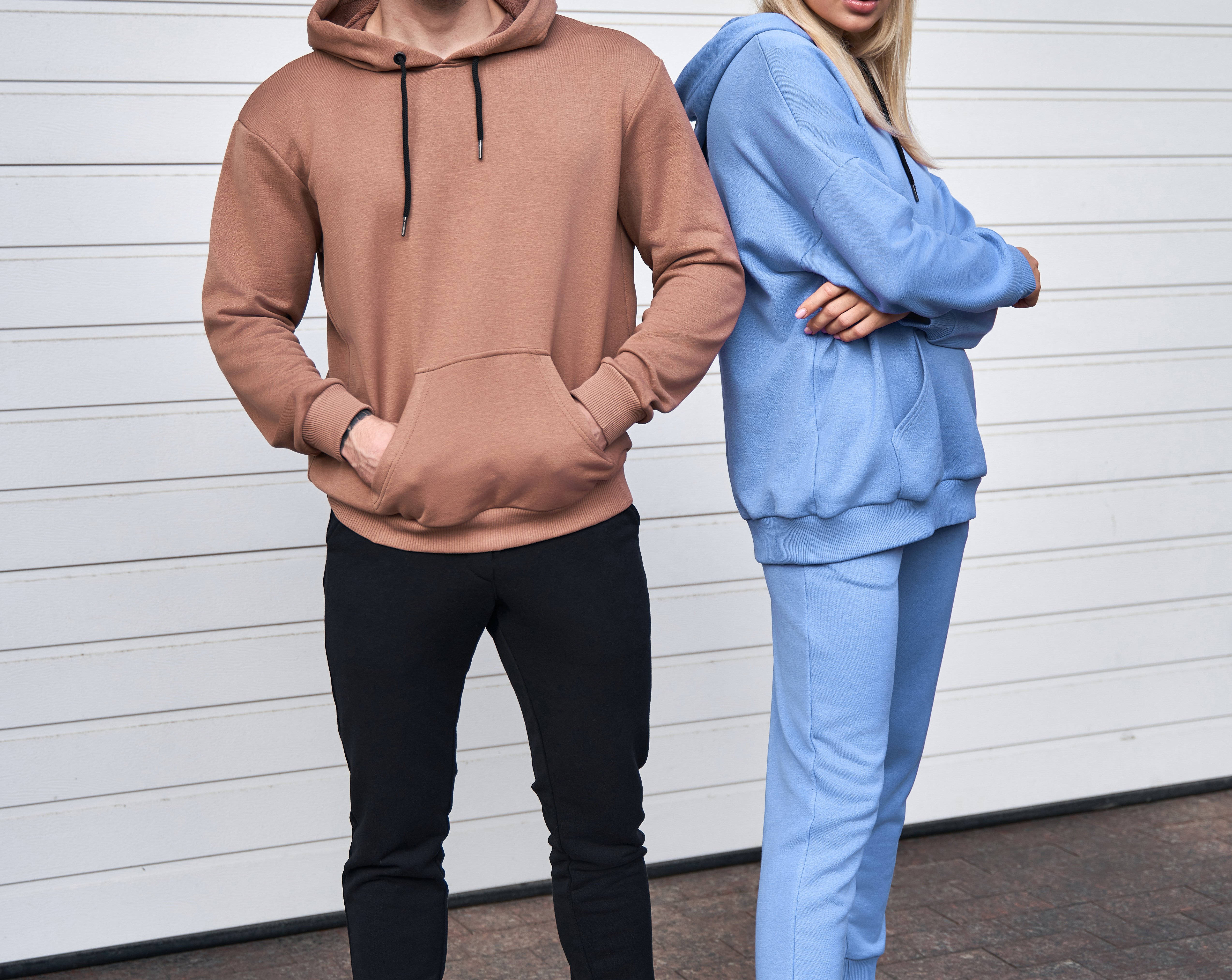
Casual Wear That’s Worth Every Dime
Let’s first talk about everyday clothes. T-shirts, denim, hoodies, the pieces you wear on repeat.
A good quality denim jean can last 10 to even 20 years if you wear it in rotation. The secret sauce here is construction. Heavier denim, tighter weave, and reinforced seams around stress points make all the difference. Regular denim often looks fine at first, but starts to thin, tear, or lose structure within 2 to 3 years.
T-shirts are another misunderstood category. A well-made, thick cotton T-shirt can easily last more than 2 years and still look presentable. Fiber quality and fabric weight make all the difference here. Thin tees twist, pill, and fade quickly. Thicker cotton holds color, resists warping, and maintains its silhouette.
It is worth the research. A small collection of well-made basics beats an overflowing drawer of worn-out options.
Activewear Needs Intention
Quality activewear is not about how futuristic it looks. It is about performance over time.
Stretch should recover, fabric should breathe without thinning, seams should sit flat against the skin and not rub or warp after washing. Flatlock stitching plays a big role here, especially in leggings, training tops, and performance layers. It is designed to move with the body.
Cheap activewear may feel exciting on day one, but it often loses compression, shape, and color within months. Quality pieces still look sharp after multiple seasons of workouts.
Office Wear Is About Structure And Drape
Office clothing lives in a different category. It has to look polished for hours and still feel comfortable.
Here, fabric drape matters as much as durability. Quality office wear hangs cleanly, moves with you, and resists wrinkling without feeling stiff. Shirts should hold their collar shape. Trousers should not bag at the knees after a few wears.
Between the absolute cheapest clothing and mid-range prices, you can often tell a difference quickly. Less fading, better shape retention, and stronger fabric are noticeable within months.
Interestingly, the gap between mid-range and the most expensive often narrows. Beyond a point, you are paying for refinement rather than a massive leap in durability.
In Formalwear, The Price Shows Clearly
Formal clothing is one area where price frequently makes a noticeable difference. You will feel it the moment you put it on.
Compare a cheap dress or suit with one from a reputable label, let’s say Pierre Cardin. The better piece will feel more comfortable, more breathable, and better balanced on the body. The fabric will glide instead of cling. The lining will feel smooth, not scratchy.
You will actually enjoy wearing it.
And that comfort comes from better materials, thoughtful construction, and an understanding of how clothes should behave over long hours.
Fading & Shape Loss After Washing
One of the biggest differences between clothes that last and clothes that don't is how they show up after washing.
Quality garments, let’s say mens cotton hooded sweatshirts, fade evenly and slowly, but cheap ones often lose color fast or fade unevenly, especially around seams and folds.
Shape retention is another giveaway. High-quality sweatshirts made of heavyweight cotton snap back. Whereas, poor ones stretch, twist, and lose form.
If your hooded sweatshirt looks tired after five washes, it was never built for a long life.
Build A Wardrobe, Not A Cycle
The endless consuming cycle is tempting. New drops, low prices, and constant novelty make it easy to buy more than you need. But durability in clothes flips that mindset.
You can build a strong wardrobe with fewer, better-made items. Pieces that last for multiple years and still look great simplify dressing. They reduce waste. They make style feel more personal.
Everything Summed Up!
Clothes that last long are designed with intention. They respect fabric, construction, and real-life use cases. Clothes that are not built for quick turnover and short attention spans.
To find such pieces, feel the fabric, check for flatlock stitching where it matters, and notice loopback construction when comfort and structure count. Most importantly, buy less, choose better, and let your clothes tell a longer story.