

Why 100% Cotton Sweatshirts Are the Ultimate Year-Round Wardrobe Staple
Mar 2nd 2026
A sweatshirt earns its place in a wardrobe by doing one thing well: working across situations without needing attention.
It has to feel right indoors, outdoors, in transit, and at rest. It has to layer easily, hold shape, and stay comfortable over long hours.
That balance is why cotton sweatshirts remain relevant while other fabrics rotate in and out. Not merely because cotton is nostalgic and classic, but because it performs consistently under everyday conditions.
It’s Practical Garment, Not a Statement Piece
Clothing tends to serve multiple roles. One sweatshirt might be worn during a morning commute, through a work-from-home day, and again in the evening for errands or travel. That kind of wear demands neutrality.
Cotton is just better at this than most other materials.
A cotton sweatshirt fits easily into that rhythm. It works with denim, tailored pants, or layered under outerwear without looking technical or out of place. This is why it shows up repeatedly in professional casual environments and travel wardrobes.
Moreover, pure cotton regulates temperature instead of amplifying it. Cotton fibers allow air to circulate while still retaining enough warmth to make a difference. That’s why a cotton hooded sweatshirt can feel comfortable in a cool office but not suffocating when you step outside on a mild afternoon.
Sweatshirts with lots of synthetic material usually don’t get this right. They trap heat inside and can feel sweaty or weird when the temperature changes. Lighter knits can go floppy, and thick synthetics can get too hot.
Weight Matters More Than Thickness
Not all 100% cotton sweatshirts perform the same way though. The weight makes a big difference.
Heavyweight cotton offers insulation through density rather than coatings or synthetic padding. That density slows heat loss in cooler weather while still allowing airflow. The result is warmth without overheating.
This matters in climates where heating systems run aggressively in winter, and air conditioning dominates in summer. Lightweight fabrics often feel drafty or flimsy. Overbuilt synthetics feel suffocating indoors.
Heavy cotton lands in the middle. It creates a stable microclimate against the body.
Year-Round Wear Comes Down to Breathability
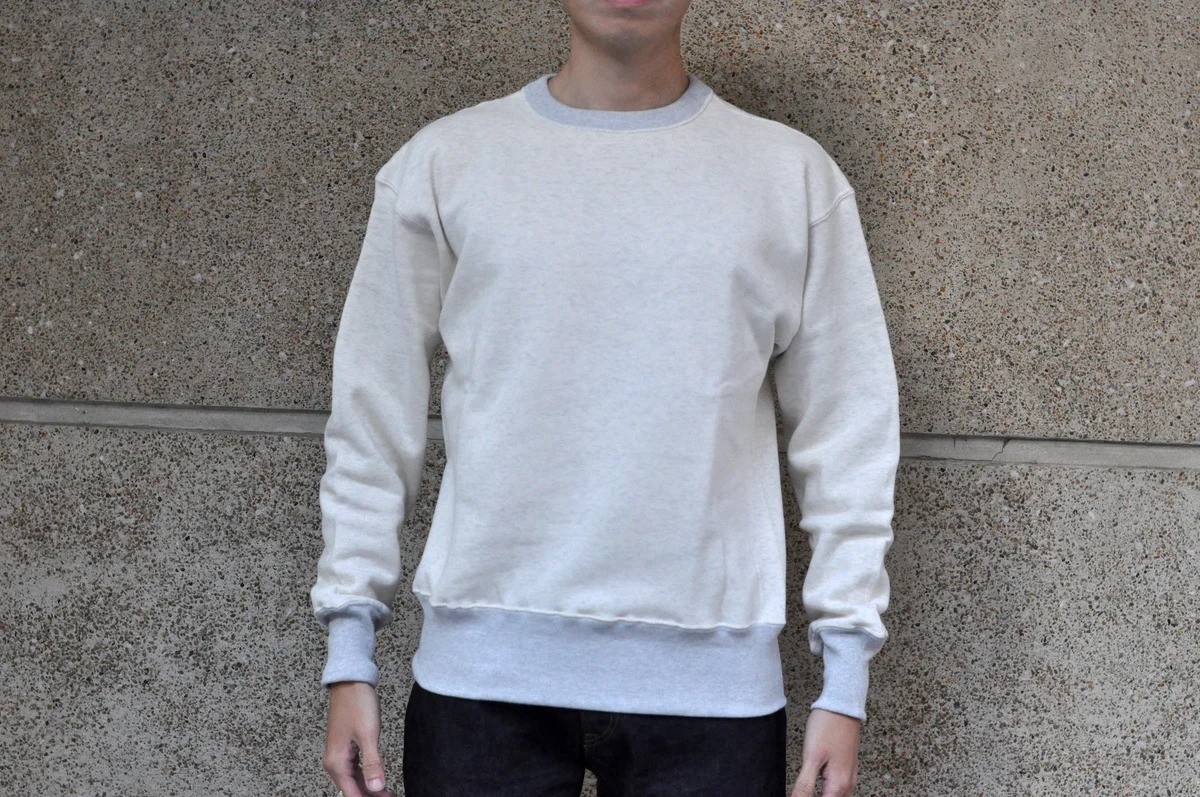
Cotton soaks up sweat and lets it out slowly, so you stay drier, especially if you’re moving between different places all day.
That’s why cotton is great for in-between seasons or days when you’re mostly inside. You don’t have to keep taking it off or putting it back on. It just works.
That adaptability is what makes a cotton sweatshirt useful beyond specific seasons. It’s not summer wear or winter wear. It’s a daily wear.
Structure That Holds Up Over Time
Heavy cotton also resists deformation better than lightweight knits or blended fabrics. The fibers maintain tension at cuffs, hems, and seams. The garment drapes instead of collapsing.
With repeated washing, cotton softens without losing integrity. The sweatshirt becomes more comfortable without becoming shapeless.
This is why people keep cotton sweatshirts longer. They don’t feel disposable, nor do they age unpredictably.
Comfort Without Sensory Fatigue
Many modern fabrics are designed to feel impressive on first contact. Over time, they create sensory fatigue like static buildup, heat retention, and synthetic odors.
Cotton avoids that cycle. It stays neutral against the skin. It doesn’t require special detergents or washing routines to remain comfortable.
If you wear a sweatshirt all day, it’s more important that it just feels right than that it’s new or fancy.
Durability That Justifies the Cost
One of the most overlooked advantages of a well-made cotton sweatshirt is longevity.
Cheap blends often look good at first and degrade fast. Pilling shows up early. Seams twist. Elastic cuffs lose structure.
Dense cotton knits age differently. They soften instead of thinning. They fade gradually rather than breaking down. Over time, they look worn in, not worn out.
From a cost-per-wear perspective, that matters. A sweatshirt that lasts five years instead of one isn’t more expensive. It’s cheaper.
People Keep Reaching for Familiar Shirts
Ask anyone what sweatshirt they wear most, and the answer is rarely about color or brand. It’s about feel.
“This one just works.”
“It doesn’t get weird halfway through the day.”
“I don’t have to think about it.”
That’s the real power of a well-made cotton sweatshirt. It disappears into your routine in the best possible way.
A 100% cotton sweatshirt isn’t special because it’s simple. And that simplicity is its speciality. Cotton sweatshirts don’t need justification. They solve enough problems to stay useful.
Heavyweight cotton, in particular, adds stability, warmth, and longevity without sacrificing breathability. That balance is what makes cotton sweatshirts dependable year-round, not just seasonally acceptable.